Forestry Mulching vs. Traditional Clearing: What Actually Changes
Home › Blog › Forestry Mulching vs. Traditional Clearing: What Actually Changes
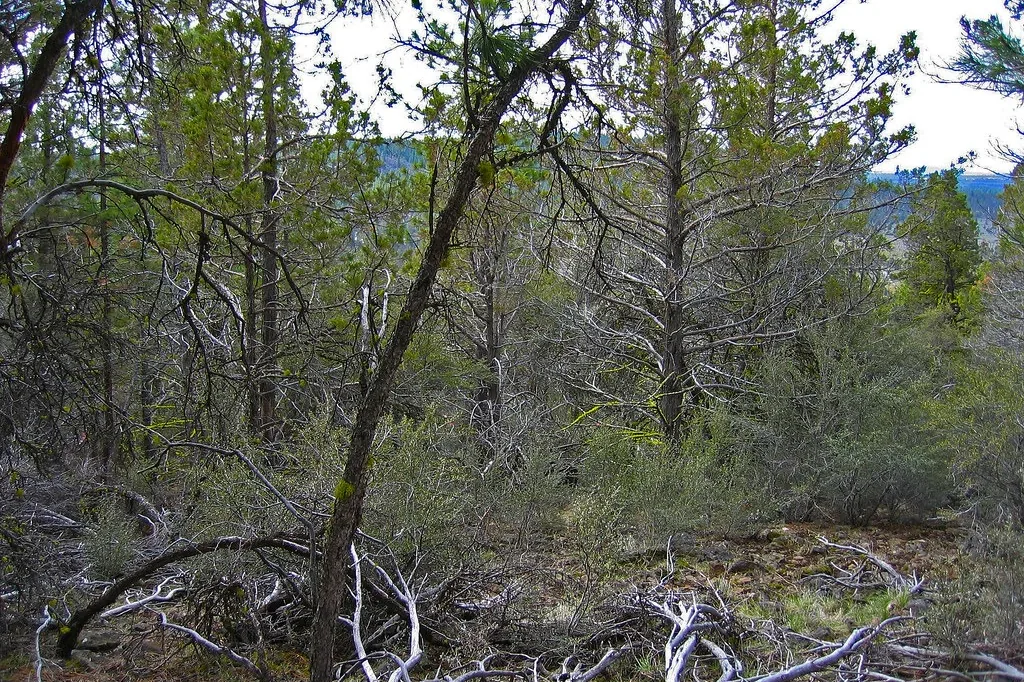
Both methods open up overgrown ground. What they leave behind, and what they cost you afterward, are not remotely the same.
Two ways to get to the same acre
Traditional clearing is the method most people picture. Vegetation gets cut or pushed, dragged into piles, and then dealt with, usually by burning or hauling. It is a proven approach and on some jobs it is still the right one, particularly when everything has to come out down to bare soil and the material genuinely needs to leave.
Forestry mulching takes a different route. A mulching head grinds standing vegetation in place and spreads the material back over the ground as chip and fiber. The work happens in a single pass and there is no secondary stage, because there is nothing to pile.
The finished ground looks different. Traditional clearing leaves exposed soil and, usually, evidence of where the piles sat. Mulching leaves a covered surface that you can walk on immediately.
What happens to the material
This is the difference that costs or saves the most money, and it is the one people underestimate.
With cut-and-pile, the debris has to be handled separately. Burning means a permit in most places, a weather window, and somebody minding the fire until it is out. Hauling means loading, trucking, and tipping fees, and on a decent-sized property that can rival the cost of the clearing itself. Either way the piles sit somewhere in the meantime, and the ground underneath them takes a while to come back.
With mulching, none of that exists. The material is already spread across the ground the moment the machine passes. There is no pile, no permit, no burn to supervise, and no truck. The chip layer holds soil on slopes, moderates how fast the ground dries out, and physically suppresses some of the regrowth trying to come up underneath it.
That last point is worth noting honestly: mulching suppresses regrowth, it does not end it. Root systems are still alive under there and vigorous species will come back. What you are buying is a considerable head start and ground that is far easier to maintain from here on.
Soil, slope, and what the ground does afterward
Traditional clearing disturbs soil. Dragging material across a site and stacking it tears up the surface, and on any kind of slope that means exposed dirt with nothing holding it when the next serious rain arrives. In parts of Arkansas where the ground rolls and storms are not gentle, that erosion is a real cost that shows up later as gullies, lost topsoil, and silt where you did not want it.
Mulching leaves root structure intact and puts a protective layer over the surface. On sloped or erodible ground that is a genuine advantage, and it is a common reason to choose it even when other factors point the other way.
It also affects what you can do next. Mulched ground is stable enough to drive across and work on quickly. Freshly stripped ground often is not, particularly after weather.
Choosing between them
The honest answer is that it depends on what is growing and what you want afterward.
Mulching tends to fit when the material is brush, briars, saplings, and smaller trees, when you want the ground usable quickly, when you would rather the material stayed on the ground than be burned or hauled, when the site slopes or erodes, and when leaving a mulch layer is fine or actively desirable.
Traditional clearing tends to fit when large timber has to come out, when you need bare soil for what comes next, when material has value worth recovering, or when a specific finished condition demands it.
Plenty of real jobs use both. Larger material comes out one way, the rest gets mulched. That is a normal and sensible way to run a property.
If you are weighing this for ground in Central Arkansas, the fastest route to a real answer is to have somebody walk it. Our forestry mulching and brush clearing pages cover how we approach each, and the pricing page explains what actually drives the number.
Tell us what you are looking at
Overgrown acreage, a driveway that keeps washing out, or ground that needs to be ready for something else. Send us the details and we will come look at it.
Get an Estimate